Writing to deprive death of its strangeness
To begin depriving death of its greatest advantage over us, let us adopt a way clean contrary to that common one; let us deprive death of its strangeness, let us frequent it, let us get used to it; let us have nothing more often in mind than death… We do not know where death awaits us: so let us wait for it everywhere.
Michel de Montaigne

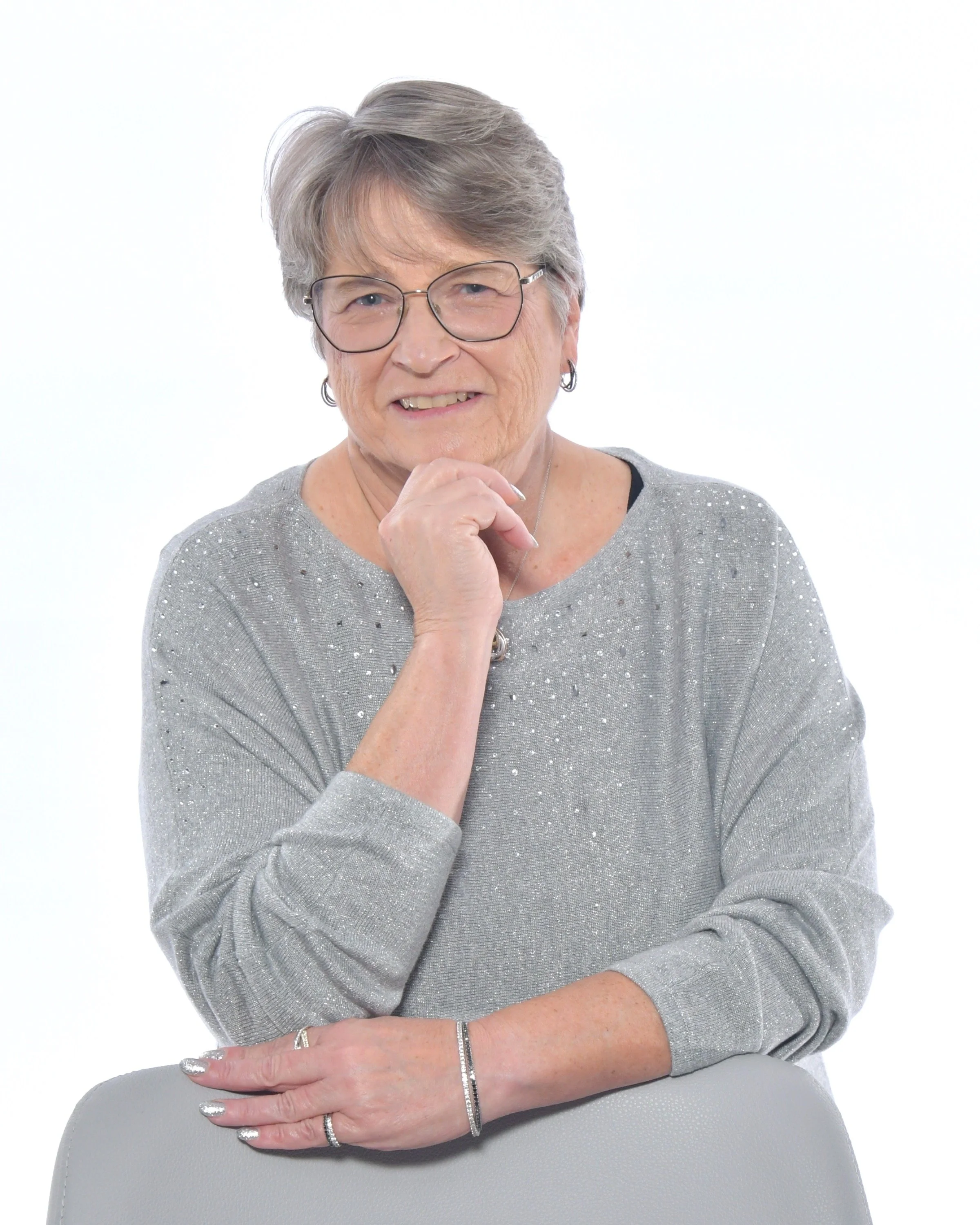
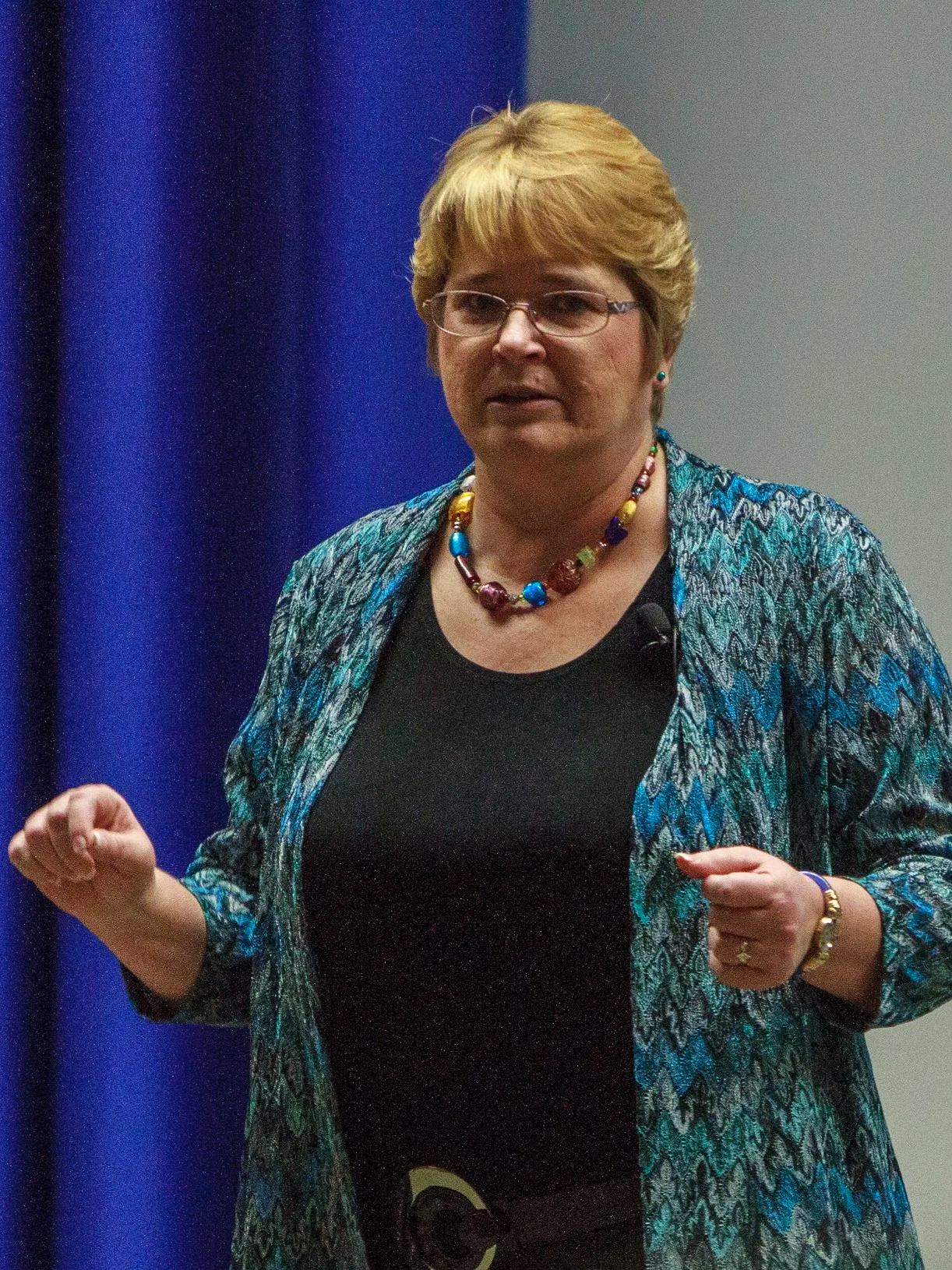
Debra Parker Oliver, PhD, MSW
The Mission
My mission is to use literature to open conversations that deprive death of its strangeness.
The Vision
Combining professional knowledge and of personal experience I will create a platform of publications that generate conversation and reveal the secrets of the backstage of dying; depriving death of its strangeness.

Research combines many stories
Memoir tells one story
Fiction provides an ideal story
Creating Conversations
Personal Hospice Caregiving Experience
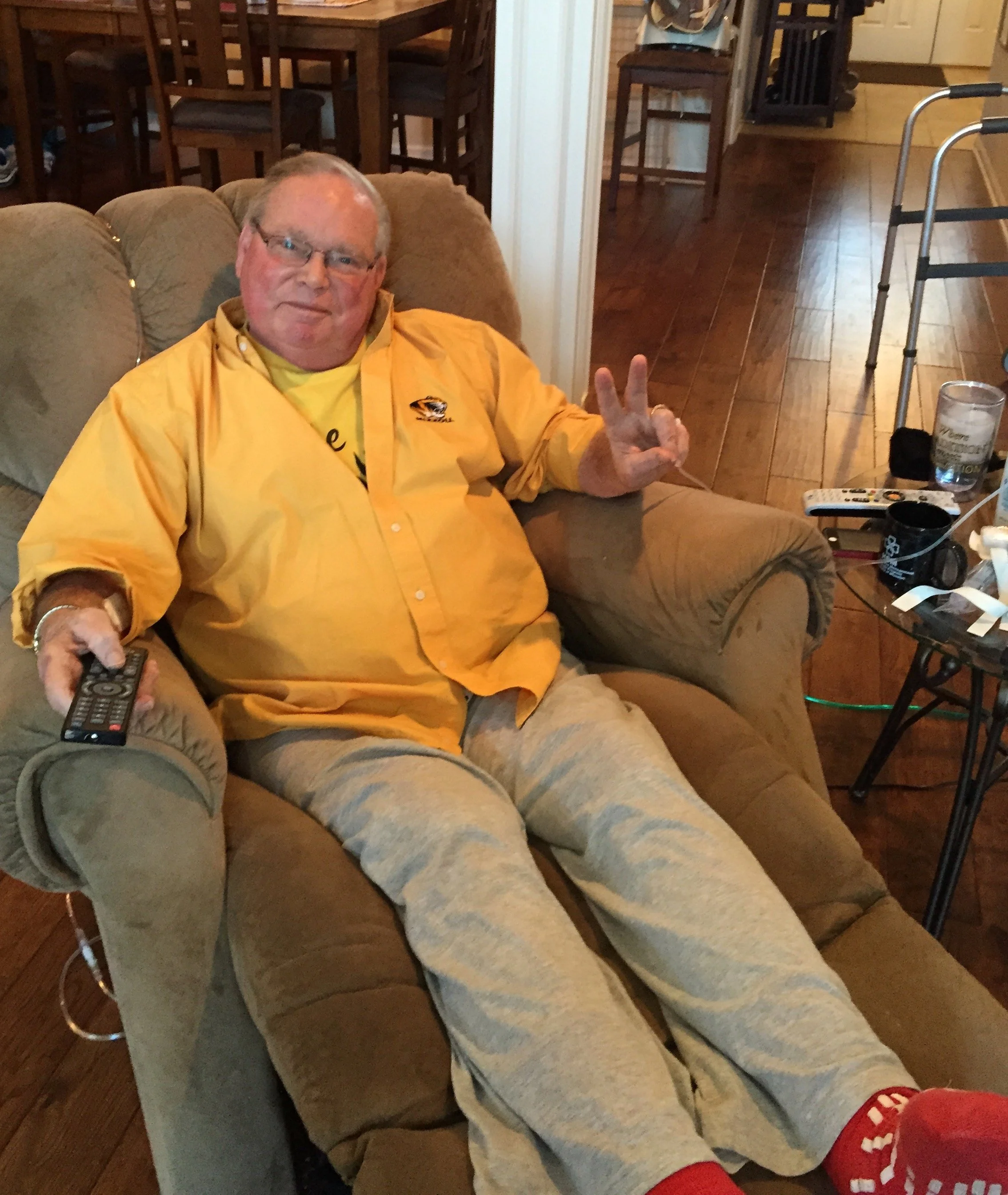
2014
I cared for my husband David Oliver for four years. He died of terminal cancer at home while holding my hand.
2024
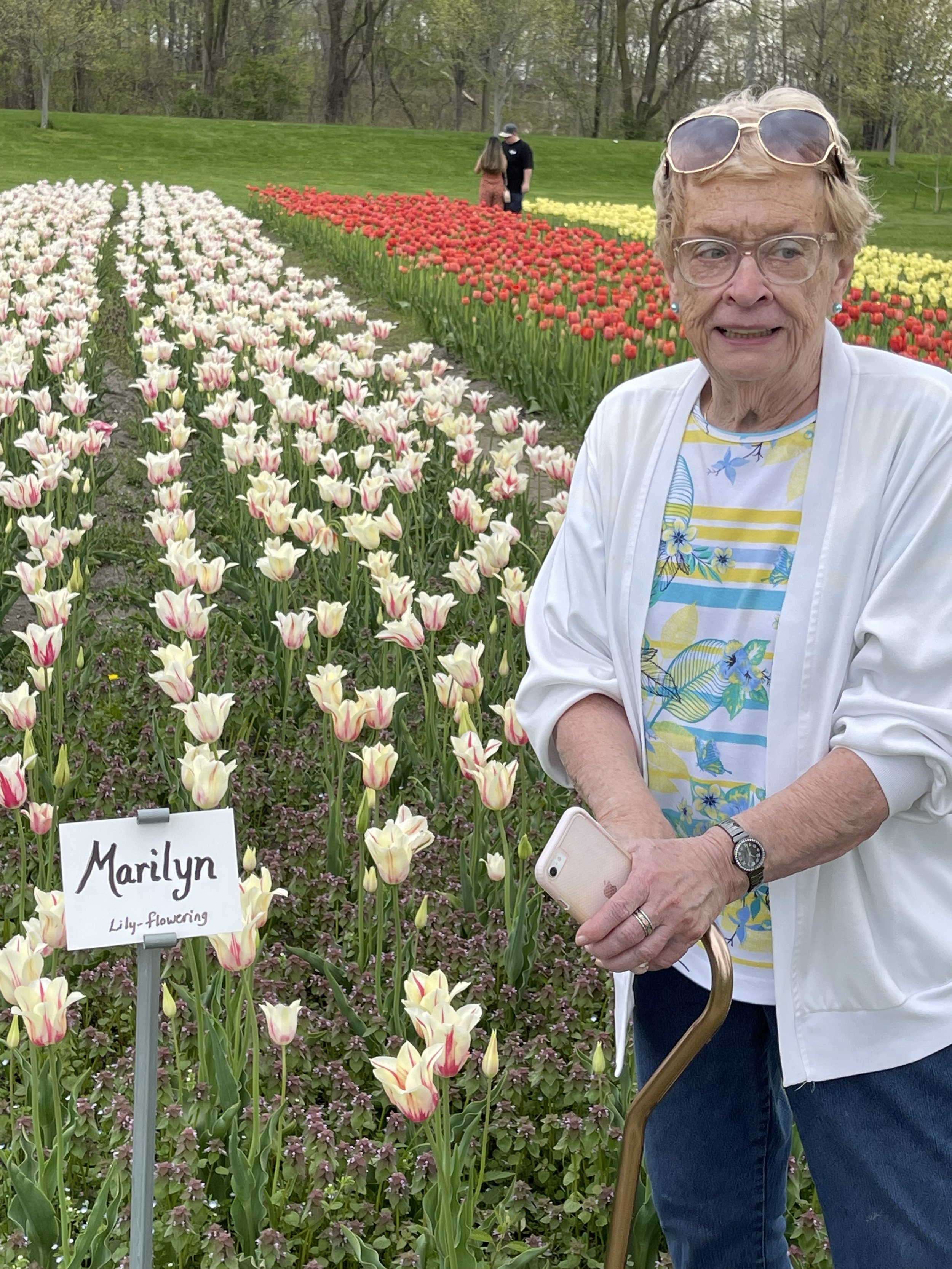
I cared for my mother Marilyn Wise. She died of Dementia in Evelyn’s Hospice House.
2025
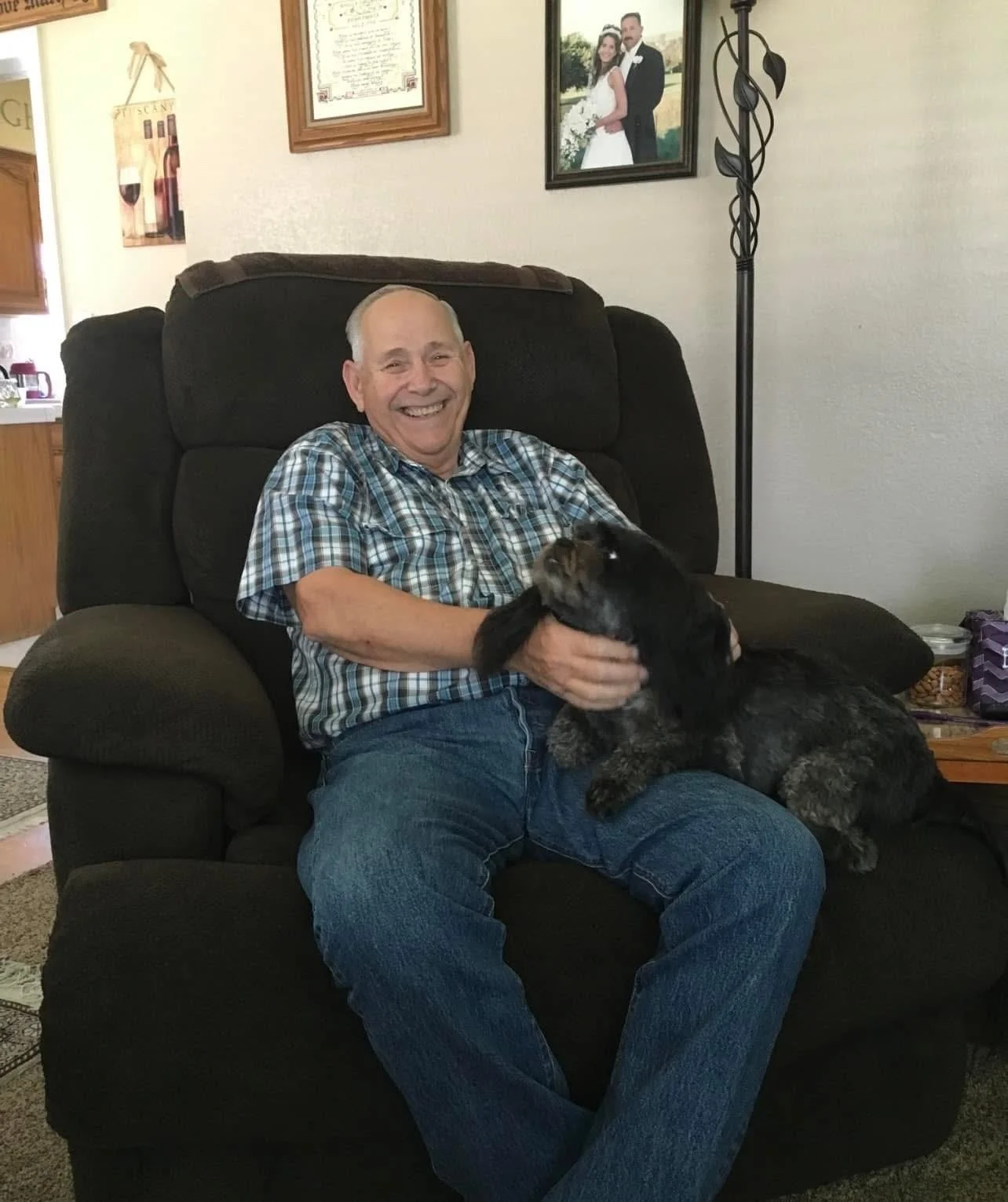
I cared for my father Raymond Parker. He died of Congestive Heart Failure & Dementia in Kansas City Hospice House.
Professional Experience in Hospice
Before the rest of the world had ever heard of hospice, I learned young the impact loss and grief can have on a family. My mom became a widow, for the first time, when I was 18 and she was 36. At a time when I was deciding my career, it had a profound impact. As I started to pursue a degree in social work, end of life advocacy and improving hospice care became a calling.
40 years of denying death of its strangeness
My first professional position after getting my Masters of Social Work was in a volunteer hospice agency in Marshall, MN. I was the social worker and the administrator of the only free standing community based hospice in Minnesota. I would lead it to become the first Medicare certified free standing community based hospice agency in 1986.
A desire to contribute to the community I grew up in and first learned about death then led me home to St. Joseph, Mo. There, started Hands of Hope Hospice, the first Medicare certified hospice agency north of KC and St Louis in the state.
I would later serve as President of the Missouri State Hospice Organization. Lastly, my final hospice experience was in Columbia, Missouri. There, I continued to lead a hospice program while returning to school again for my PhD.
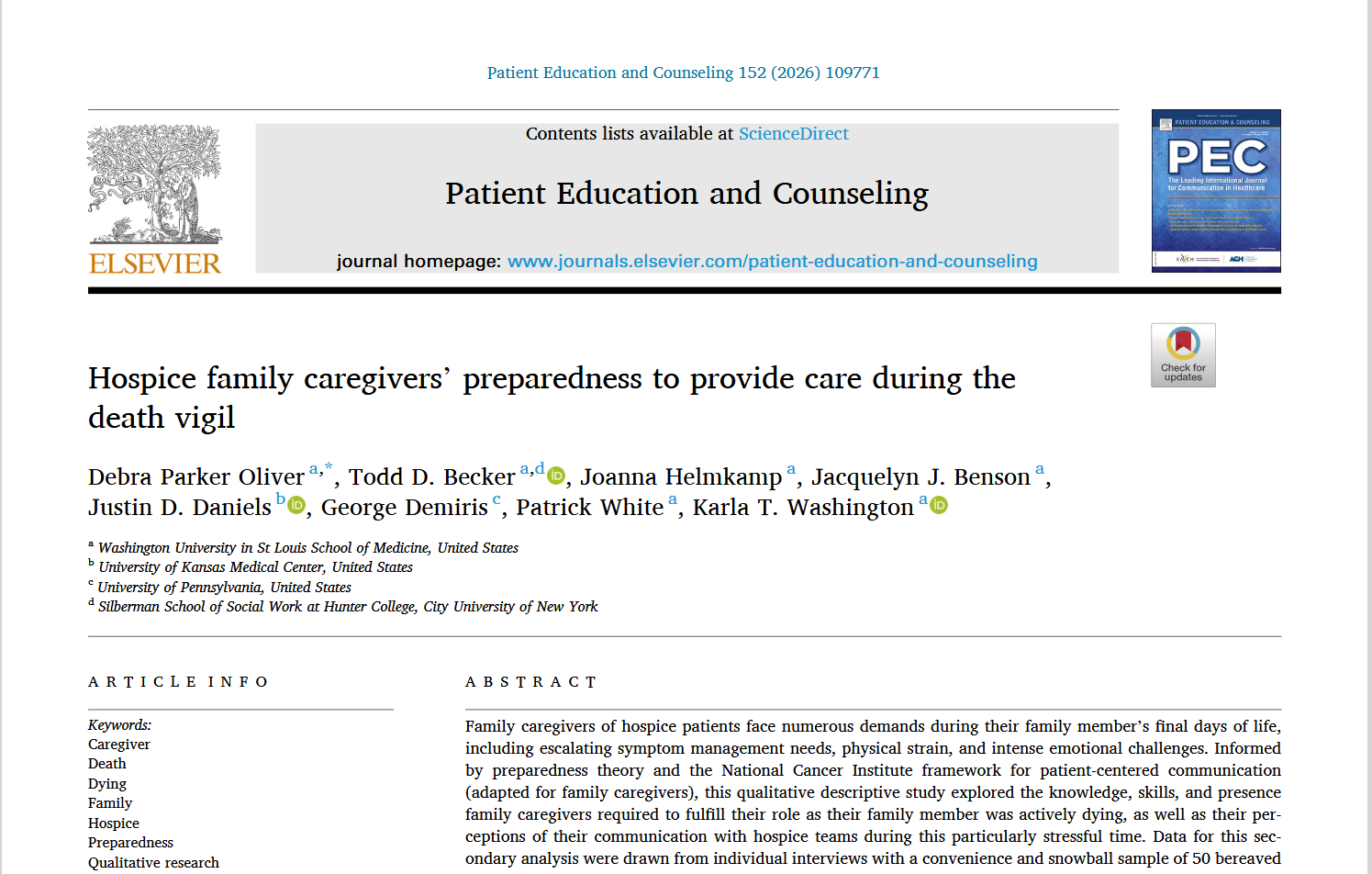
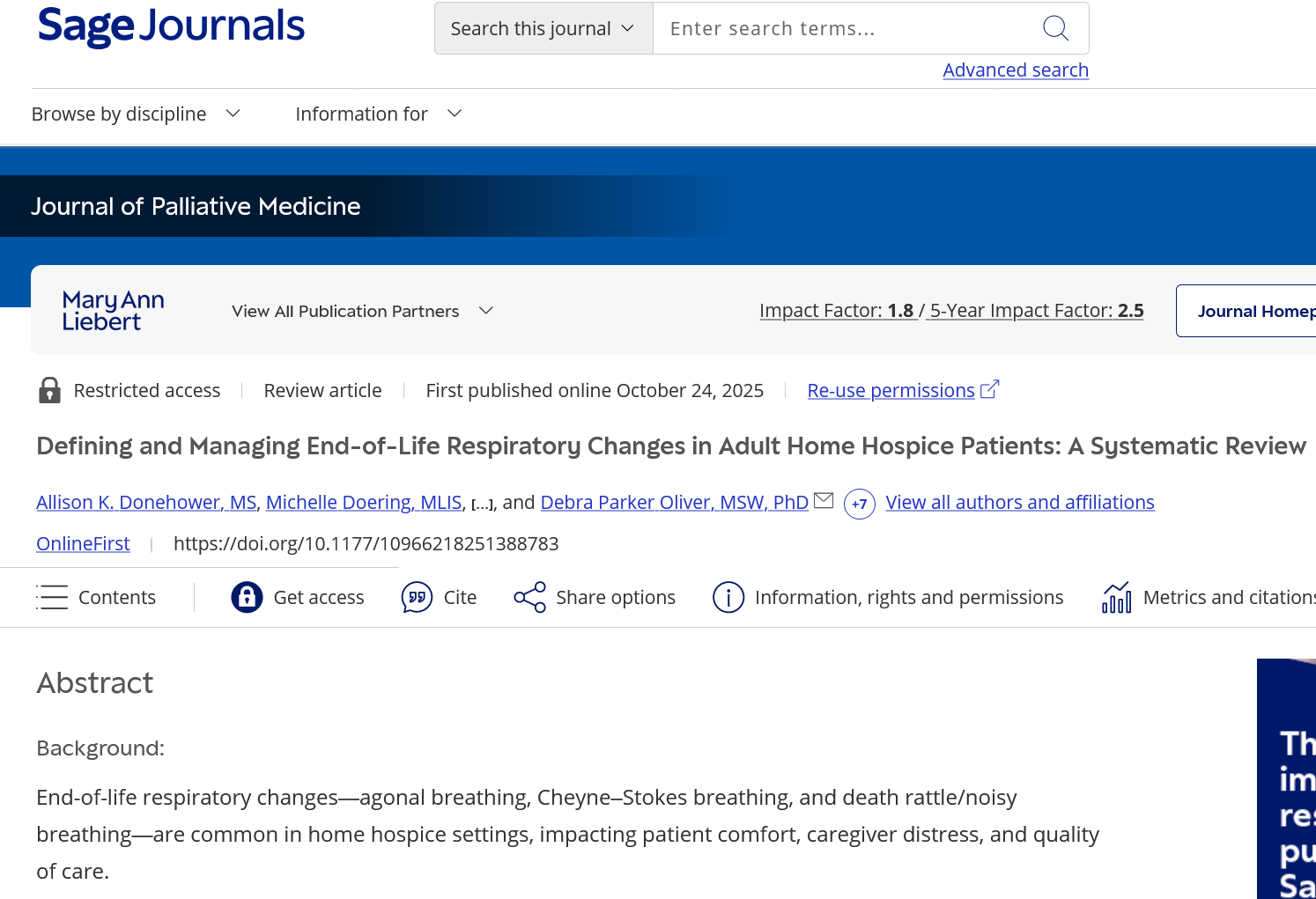
Through it all, I was led by a passion to spread quality end of life care. My goal? Simple. To improve hospice nationally.
I graduated with my PhD from the University of Missouri in 2000 and joined the School of Social Work as an Assistant Professor. I would become the Director of the Doctoral Program and receive the schools first grant from the National Institute of Nursing Research. After receiving tenure I joined the School of Medicine and became a Full Professor where I continued to focus my research on hospice and end of life care as well as teach medical students about handling patients and family members at the end of life.
In 2020, I joined Washington University in St Louis and founded the research component in the Division of Palliative Medicine and became the Inaugural Ira Kodner, MD Endowed Chair of Palliative and Supportive Care. I have enjoyed mentoring faculty and students in hospice research and continually sharing my personal experience which taught me as much as my research.
My Caregiving Research